A Comprehensive Guide to Renting in South Korea for Expats: Analysis of Jeonse and Wolse Leases and Process Guidelines



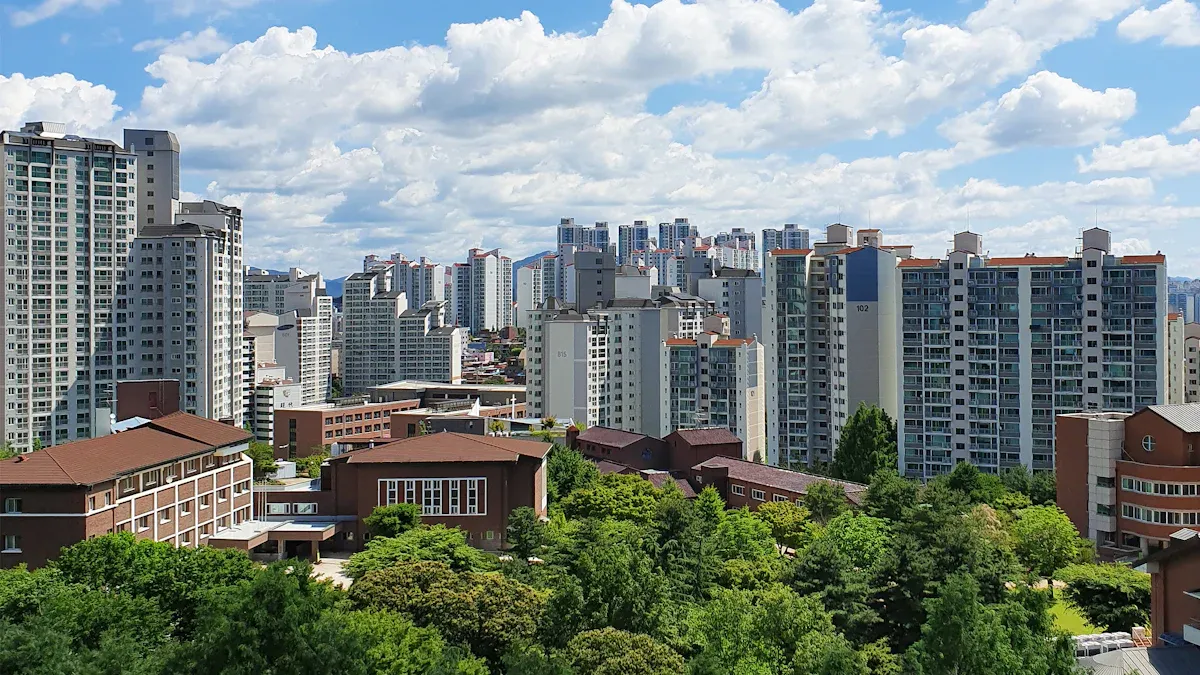
Image Source: unsplash
When searching for housing in South Korea, you will typically encounter two main rental options: Jeonse and Wolse. Jeonse requires you to pay a lump-sum deposit equivalent to 50% to 80% of the property’s market value, but you do not need to pay monthly rent, with the lease term generally lasting two years. Wolse, on the other hand, involves a lower deposit, typically between $1,000 and $10,000, with monthly rent ranging from $300 to $2,000, suitable for short- or medium-term stays. The table below clearly illustrates the differences in deposit, monthly rent, and lease term between these two options:
| Lease Type | Deposit Amount | Monthly Rent | Lease Term |
|---|---|---|---|
| Wolse | $1,000–$10,000 | $300–$2,000 | Short to medium term |
| Jeonse | 50%–80% of property market value | None | Typically 2 years |
When renting as an expat, it is recommended to carefully consider your deposit budget, duration of stay, and personal needs to determine which option is more suitable for you.
Key Points
- Jeonse is suitable for long-term residency, requiring a high deposit but no monthly rent, ideal for expats with significant savings.
- Wolse is suitable for short-term residency, with a lower deposit but monthly rent payments, ideal for those new to South Korea or with limited funds.
- When choosing a rental option, consider your financial situation, duration of stay, and market conditions to select the most suitable plan.
- Before signing, carefully review the contract terms to ensure clarity on deposit and rent clauses, and seek professional assistance if necessary.
- During the renting process, maintain clear communication and document all transactions and agreements to protect your rights.
Jeonse vs. Wolse Analysis
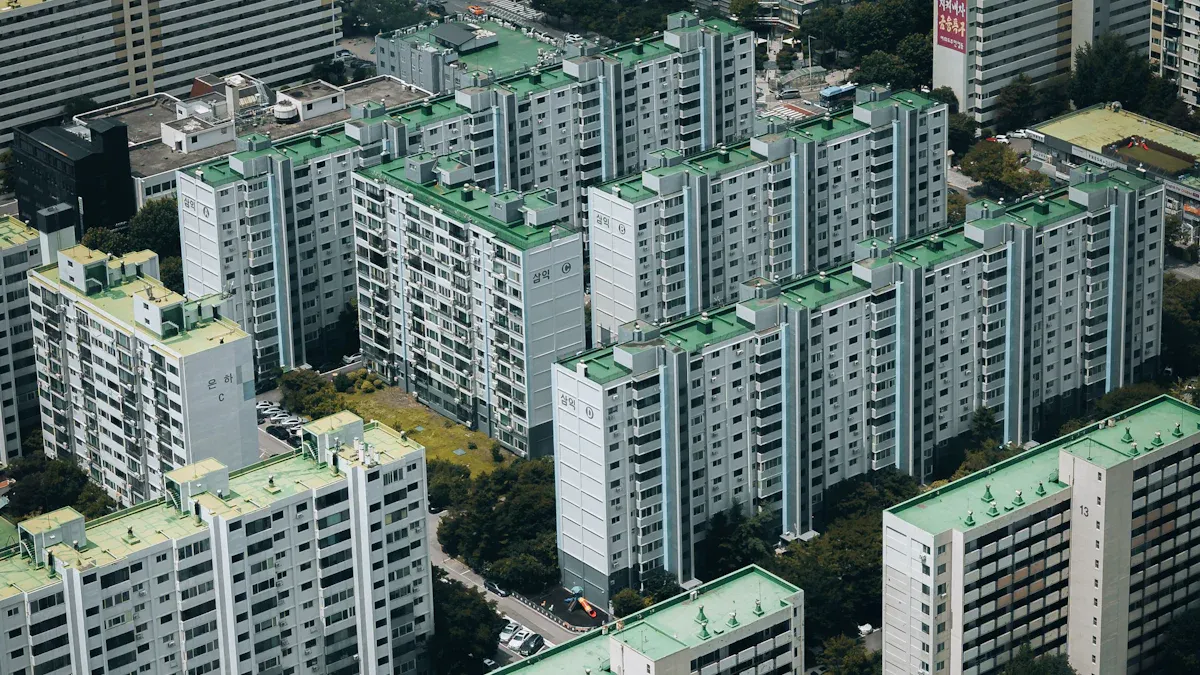
Image Source: pexels
Introduction to Jeonse
Jeonse is a unique Korean rental system. When signing a Jeonse contract, you need to pay a substantial lump-sum deposit, typically 50% to 80% of the property’s market value. In major cities like Seoul, this proportion can even reach 70% to 90%. You do not need to pay monthly rent, and the deposit is refunded at the end of the contract. Jeonse’s history traces back to the Goryeo Dynasty, when farmers paid large sums upfront to secure land use rights. The modern Jeonse system began to take shape during the urbanization process in the late 19th century and was legally recognized in the 1959 Civil Code. In 1981, the South Korean government introduced the Housing Lease Protection Act, further safeguarding tenants’ deposit security. In 2013, the Jeonse deposit insurance system was launched, providing additional protection for tenants.
Pros and Cons of Jeonse
When choosing Jeonse, you can enjoy the following advantages:
- You only need to pay a one-time large deposit, eliminating the burden of monthly rent payments and reducing long-term rental costs.
- Overall living costs are lower, increasing your disposable income.
- Jeonse provides a unique financial structure for expat renters, suitable for long-term residency in South Korea.
However, you should also be aware of the following risks and drawbacks:
| Risk Type | Description |
|---|---|
| Deposit Loss | Financial issues with the landlord may result in the deposit not being fully refunded. |
| Rising Interest Rates | If you take a loan to pay the deposit, rising interest rates can increase repayment pressure. |
| Contract Flexibility | Early termination during the contract term is difficult, lacking flexibility. |
Additionally, landlord tax debts or property liens may also affect deposit security. When taking a loan, you should pay attention to interest rate fluctuations, especially for floating-rate loans.
Who Jeonse Suits
Jeonse is more suitable for those planning to live in South Korea long-term. If you have substantial savings or prefer to “save” through a deposit rather than paying monthly rent, this option is ideal for you. For expats who do not need to move frequently, Jeonse offers higher financial efficiency. You can also further protect your rights through deposit insurance.
Introduction to Wolse
Wolse is another common rental option in South Korea. You need to pay a lower deposit (typically 10 to 20 times the monthly rent) and pay rent monthly. The deposit amount and rent ratio are negotiated with the landlord. Wolse contracts typically have a term of 1 or 2 years. Over the past decade, Wolse has become increasingly popular in South Korea. In April 2022, Wolse contracts surpassed Jeonse for the first time, becoming the mainstream rental option. This shift is related to rising interest rates and government policy adjustments.
Pros and Cons of Wolse
When choosing Wolse, you can benefit from the following advantages:
- Lower upfront financial pressure, suitable for those without significant savings.
- Flexible contracts, allowing you to relocate based on your circumstances.
- Suitable for short- or medium-term residency, especially for expats new to South Korea.
However, Wolse has its drawbacks:
- You need to pay monthly rent, which results in higher long-term living costs.
- Although the deposit is lower, it is still higher than in many other countries.
- Rent and deposit ratios are entirely negotiated, lacking a standardized framework, which may lead to negotiation pressure.
| Deposit Range | Monthly Rent Payment |
|---|---|
| 10 to 20 times the monthly rent | Smaller monthly rent payments |
Who Wolse Suits
Wolse is suitable for those staying in South Korea for short or medium terms. If you are new to South Korea or lack sufficient savings, Wolse can help you quickly find suitable housing. You can flexibly adjust your housing plans based on work, study, or lifestyle changes. For expats who need to move frequently, Wolse is a more flexible option.
Lease Differences
When choosing a rental option, you need to understand the main contractual differences between Jeonse and Wolse:
| Lease Type | Deposit Amount | Monthly Rent Payment | Contract Term | Additional Information |
|---|---|---|---|---|
| Jeonse | 50%–80% of property value | None | Typically 2 years | Deposit fully refunded at contract end |
| Wolse | 10–20 times monthly rent | Paid monthly | 1 or 2 years | Deposit and rent ratio negotiable |
In a Jeonse contract, you undertake the financial obligation of a one-time large deposit but do not need to pay monthly rent. Wolse requires you to pay monthly rent with a lower deposit. Both options ensure your right to reside and protect against unfair eviction.
Lease Selection
When choosing between Jeonse and Wolse, you need to consider the following factors comprehensively:
- Your financial reserves and budget. If you have sufficient savings, Jeonse allows the deposit to serve as a form of “savings,” refunded in full at the end of the contract.
- Your duration of stay. If you plan to stay long-term, Jeonse is more cost-effective. For short- or medium-term stays, Wolse is more flexible.
- Interest rates and market conditions. Jeonse deposit loan interest rates range from 3.99% to 5.01%, and rising rates may affect your choice.
- Your employment proof and credit status. Most apartments are unfurnished, but you can reduce monthly rent by increasing the deposit. Even without employment proof, a sufficient deposit can facilitate signing.
- Contract terms. Carefully review clauses regarding deposit, rent, termination, subleasing, and renovations. South Korean law ensures you can recover your deposit at the end of the lease and have the right to extend the lease.
Tip: During the expat renting process, prioritize your needs and financial situation to choose the most suitable rental option. Consult professional agents or legal experts if necessary to protect your rights.
Expat Renting Process

Image Source: pexels
Pre-Rental Preparation
Before renting in South Korea, you need to prepare relevant documents and funds in advance. Commonly required materials include:
- Proof of legal residency, such as an Alien Registration Card (ARC) or a valid visa in your passport
- Scanned copy of your passport for identification
- Proof of employment, such as a work contract or employer-issued employment certificate
- Bank statements showing your recent financial status
- Student ID or admission letter (if you are a student)
- Budget planning, including arrangements for deposit and monthly rent funds
You can prepare deposit and rent funds through a licensed Hong Kong bank account. Understanding South Korea’s Jeonse and Wolse rental systems in advance will help you choose the appropriate rental option based on your needs. When renting as an expat, it is recommended to organize all materials to ensure a smooth process.
Housing Search Channels
You can find suitable housing through various channels. Common options include:
- Online rental platforms like Ziptoss, offering multilingual services for foreigners, covering major areas in Seoul
- Real estate agencies providing professional consultation and viewing services to help you select suitable properties
- Social media groups and forums where some expat rental information is posted
- School or company recommendations, as some institutions provide housing resources for expat employees or students
Platforms like Ziptoss offer extensive property photos and consultation records, ensuring high reliability. You can choose agencies offering Chinese or English services based on your Korean proficiency to improve communication efficiency.
Property Viewing Process
After identifying target properties, you can schedule in-person viewings. During viewings, it is recommended to note the following:
- Check the property’s structure, lighting, ventilation, and safety facilities
- Understand how utility costs are shared, as water, electricity, and gas are typically paid by the tenant
- Inquire about furniture and appliance provisions, as some apartments are completely unfurnished
- Document the property’s condition with photos for future reference during handover
If you are unfamiliar with the Korean housing market or language, it is recommended to have a professional agent accompany you throughout to avoid miscommunication. During viewings, you can directly discuss rent, deposit, and contract details with the landlord or agent.
Signing Process
After selecting a property, you will enter the formal signing stage. During signing, you need to:
- Carefully review contract terms to ensure all details are clear
- Request a bilingual contract or professional translation assistance if needed
- Clarify key terms such as deposit, rent, lease term, early termination, and maintenance responsibilities
- Understand how agency fees are shared, as South Korean law typically requires both landlord and tenant to share these costs
- Register the lease agreement at the local district office for legal protection
You can pay the deposit and rent through a licensed Hong Kong bank account to ensure fund security. After signing, be sure to retain all contracts and payment receipts.
Contract and Deposit
The contract must clearly specify the deposit amount, refund conditions, and timeline. South Korean Jeonse contracts require a deposit of 50%–70% of the property value, refunded in full at the end of the lease unless the property is damaged. Wolse contracts have lower deposits but still require clear refund terms.
Before signing, have a native Korean speaker or professional review the contract to avoid misunderstandings due to language barriers. For expats, deposit security is critical. In case of disputes, you can pursue legal action to protect your rights.
Tip: When signing, verify all contract details to ensure clear deposit terms and avoid future disputes.
Move-In and Management
After signing and paying the deposit, you can move in. Upon moving in, it is recommended to:
- Inspect the property’s condition with the landlord or agent, documenting and photographing it
- Confirm water, electricity, and gas meter readings to avoid future billing disputes
- Understand property management rules and community safety guidelines
- Clarify the payment method for utility costs, which are typically borne by the tenant
During your stay, keep contracts and payment receipts safe. For maintenance or management issues, promptly contact the agent or landlord for resolution. Following formal processes and documentation requirements during the expat renting process helps protect your legal rights.
Move-Out Process
When the lease expires, you need to notify the landlord in advance of your move-out. The move-out process typically includes:
- Conducting a joint property inspection with the landlord to confirm no significant damage
- Settling all utility bills and retaining payment receipts
- Completing move-out procedures and returning keys
- The landlord refunds the deposit within the agreed timeframe
If the landlord fails to refund the deposit on time, you may choose to delay moving out or apply for a lease registration order at the local court to legally protect your rights. During the expat renting process, retain all communication and payment records as evidence in case of deposit disputes.
Expat Renting Considerations
Common Issues
When renting in South Korea, you may frequently encounter questions about deposits, lease types, and guarantors. The table below summarizes deposit requirements for different lease types:
| Lease Type | Deposit Requirement |
|---|---|
| Jeonse | Typically 50% to 80% of the property’s market value |
| Wolse | Deposit typically 10%–20% of the monthly rent |
You may be concerned about the following issues:
- What is the type of lease agreement?
- How does the deposit system work?
- Can you rent without employment?
- What is the role of a guarantor?
The deposit’s operation depends on the lease type. In Wolse, the deposit is typically equivalent to two months’ rent, refunded at the end of the lease. For Jeonse, as long as the apartment is in good condition, the deposit is fully refunded.
Scam Prevention Tips
When renting in South Korea, be cautious of various rental scams. Common traps include:
- Fake listings and ghost properties: Scammers post nonexistent properties using stolen or AI-generated photos. You should verify properties through reputable real estate agents.
- Fake real estate agents: Unregistered agents demand advance deposit payments and then disappear. Verify the agent’s credentials.
- Deposit scams: Dishonest landlords collect large deposits and then go missing. Check official property documents to confirm landlord ownership.
- Unregistered subleasing: Tenants sublease without landlord permission. Confirm the tenant’s right to sublease and request a formal agreement.
- Hidden fees: Some listings attract with low rent but later demand high maintenance fees. Request a full fee breakdown before signing.
Tip: Before signing, carefully review contract terms to avoid future disputes.
Communication Strategies
When communicating with landlords or agents, consider the following strategies:
- Understand the differences between Jeonse and Wolse and their financial implications.
- Work with reputable local real estate agents, prioritizing those specializing in expat housing.
- Thoroughly inspect the property and document its condition to avoid deposit disputes.
- Understand the lease agreement, ensuring all terms are clear, and seek assistance from a trusted translator or consultant if necessary.
- Budget for “key money” (deposit) and plan funds in advance.
Lifestyle Tips
During your stay in South Korea, research the community environment and transportation options in advance. Choosing properties near subway stations or schools can enhance convenience. After moving in, keep contracts and payment receipts safe and communicate promptly with landlords or agents for any issues. You can also join expat communities to access more local lifestyle information and rental experiences.
When renting in South Korea, choose Jeonse or Wolse based on your financial situation and residency plans. Jeonse is suitable for long-term stays with high deposits but no monthly rent; Wolse has lower deposits and is ideal for short-term, flexible stays. Before signing, pay special attention to the following:
- Understand lease agreement types and required documents
- Clarify tenant rights and responsibilities
- Ensure contract terms are clear and register the lease agreement
- Consult legal professionals if necessary
By focusing on these details, you can better protect your legal rights and complete the renting process smoothly.
FAQ
What documents are needed for renting?
You need to prepare a passport, valid visa, Alien Registration Card (ARC), bank statements, and proof of employment or enrollment. These documents facilitate a smooth approval process.
Tip: Make copies of all documents in advance for easy verification by agents or landlords.
Can you rent without a guarantor?
You can rent. Most landlords prioritize deposits and credit. As long as the deposit is sufficient, a guarantor is typically not required.
When can the deposit be refunded?
After the lease ends and the move-out inspection is completed, the landlord will refund the deposit within the agreed timeframe. Keep contracts and payment receipts.
Must the contract be signed in Korean?
You can request a bilingual contract in Chinese or English. Ensure you understand all terms, and seek translation assistance if necessary.
What to do in case of disputes during renting?
First, communicate with the landlord or agent. If unresolved, seek assistance from local housing authorities or courts. Retaining all communication records is crucial.
For expatriates renting in Korea, opting for Jeonse or Wolse involves balancing deposit commitments with living flexibility, yet cross-border fund transfers frequently pose exchange rate volatility, steep fees, and delays in payments. These hurdles can result in funding shortfalls during signing or stalled deposit remittances, disrupting your move-in timeline. As a prudent tenant prioritizing financial security, you require a dependable platform to streamline international remittances for prompt delivery.
BiyaPay is tailored for such needs, featuring real-time exchange rate queries to effortlessly view and convert fiat to crypto, sidestepping unfavorable rates. Remittance fees are just 0.5% at minimum, with zero fees on contract orders, extending to same-day arrivals in most countries and regions worldwide. Additionally, without needing an overseas account, you can engage in US and Hong Kong stocks trading on the platform, adeptly handling rental fund surpluses.
Register for BiyaPay today to unlock seamless cross-border finance. Whether funding a hefty Jeonse deposit or monthly Wolse payments, this service empowers efficient navigation of rental finances. Avoid remittance snags slowing your Korean adventure—join BiyaPay now for smoother global mobility!
*This article is provided for general information purposes and does not constitute legal, tax or other professional advice from BiyaPay or its subsidiaries and its affiliates, and it is not intended as a substitute for obtaining advice from a financial advisor or any other professional.
We make no representations, warranties or warranties, express or implied, as to the accuracy, completeness or timeliness of the contents of this publication.
Related Blogs of

Unlocking US Stock Pre-Market Trading: Key Things Beginners Must Know in 2025


Wisdom of Investing in US Stocks During a Bear Market: Focusing on Defensive Sectors and ETFs

Beginner Guide to US Stock After-Hours Trading: Which Broker Platforms Are Most Friendly?


US Stock Pre-Market and After-Hours Trading Practical Guide: Beginners Can Master It Quickly

Choose Country or Region to Read Local Blog
 Australia
 Austria
 Belgium
 Canada
 Cyprus
 Czech Republic
 Denmark
 Estonia
 Finland
 France
 Germany
 Greece
 Hong Kong
 India
India Indonesia
 Ireland
 Italy
Italy Japan
Japan Latvia
 Lithuania
 Luxembourg
 Malaysia
 Malta
Malta Morocco
 Nepal
Nepal Netherlands
 New Zealand
 Norway
 Pakistan
 Philippines
 Poland
 Portugal
 Romania
 Singapore
 Slovakia
 Slovenia
 South Africa
 South Korea
 Spain
Spain Sweden
 Thailand
 The United States
 Turkey
 United Arab Emirates
 United Kingdom
 Vietnam
Contact Us




BIYA GLOBAL LLC is a licensed entity registered with the U.S. Securities and Exchange Commission (SEC No.: 802-127417); a certified member of the Financial Industry Regulatory Authority (FINRA) (Central Registration Depository CRD No.: 325027); regulated by the Financial Industry Regulatory Authority (FINRA) and the U.S. Securities and Exchange Commission (SEC).
BIYA GLOBAL LLC is registered with the Financial Crimes Enforcement Network (FinCEN), an agency under the U.S. Department of the Treasury, as a Money Services Business (MSB), with registration number 31000218637349, and regulated by the Financial Crimes Enforcement Network (FinCEN).
BIYA GLOBAL LIMITED is a registered Financial Service Provider (FSP) in New Zealand, with registration number FSP1007221, and is also a registered member of the Financial Services Complaints Limited (FSCL), an independent dispute resolution scheme in New Zealand.