From Banks to Online Platforms: Comprehensive Guide to Saving on Cross-Border Remittance Fees



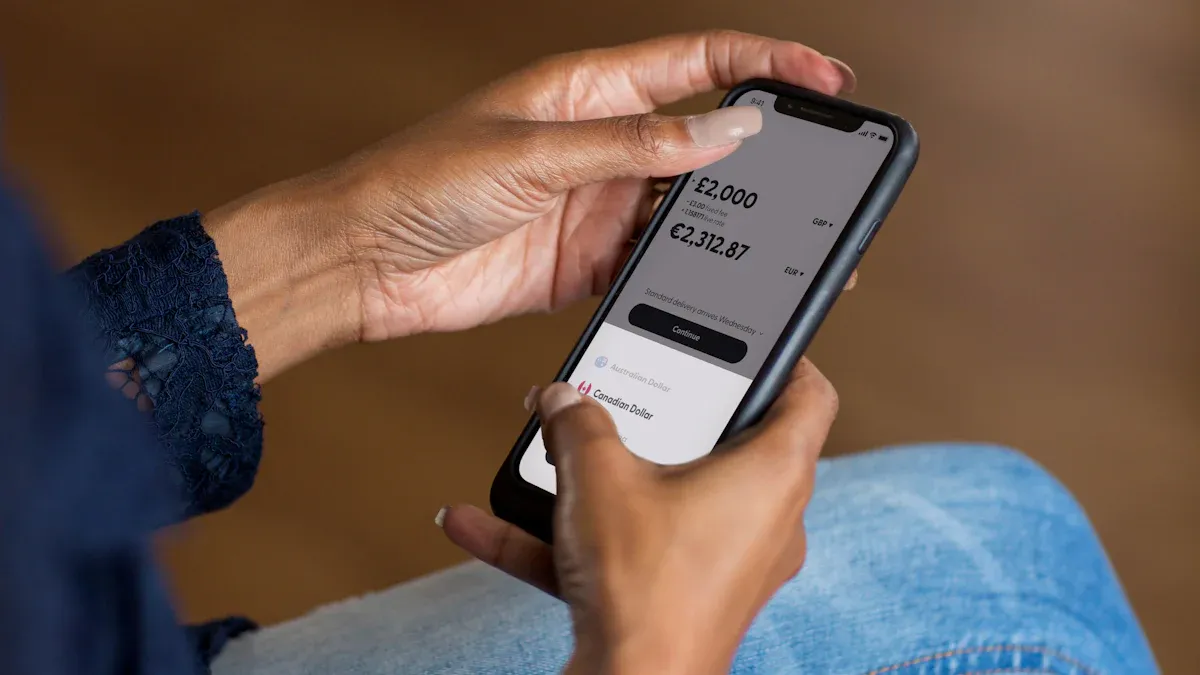
Image Source: unsplash
Are you preparing living expenses for your children studying abroad? Every time you click “confirm transfer,” do you feel heartbroken over high handling fees and exchange rate losses? You are not alone. Data shows that in 2018 alone, funds remitted to China from overseas exceeded $67.4 billion.
The key to saving on cross-border remittance fees lies in selecting the appropriate channel based on your specific needs and using specific techniques to optimize exchange rates and avoid hidden fees.
Key Highlights
- Choosing the right remittance method is important; banks are suitable for large amounts, online platforms for small amounts.
- Compare exchange rates when remitting, as exchange rate differences affect the amount received.
- Understand all fees, including hidden ones; choosing the “sender bears all fees” mode ensures the recipient receives the full amount.
- Concentrate large remittances into one transaction to save money; small remittances can utilize online platform promotions.
- Use the rate lock feature to avoid losses from exchange rate fluctuations.
Comparison of Mainstream Cross-Border Remittance Channels

Image Source: unsplash
Choosing the right remittance channel is the first step to saving money. Different channels vary in fees, exchange rates, and convenience. Below is a detailed analysis of the pros and cons of three mainstream methods.
Traditional Bank Wire Transfer
Bank wire transfer is the preferred method for many, especially when handling large amounts, due to its highest security and reliability. However, you need to note that the bank’s fee structure is usually complex. It mainly includes three parts:
- Handling Fee: Usually charged at 0.1% of the remittance amount, with minimum and maximum standards.
- Telegraph Fee: A fixed fee for communication costs.
- Intermediary Bank Fee: Additional fees may apply if the remittance passes through third-party banks.
Different banks have varying fee standards. Below is a comparison of international wire transfer fees from several major banks in mainland China:
| Bank Name | Handling Fee | Telegraph Fee | Full Amount Arrival Service Fee | Notes |
|---|---|---|---|---|
| Bank of China | 0.1% (minimum $50, maximum $200) | $20 | N/A | Intermediary bank fees usually borne by recipient |
| ICBC | 0.1% (minimum $30, maximum $150) | $15 | $25 | Relatively low handling fee, but full amount service fee increases cost |
| CMB | 0.12% (minimum $20, maximum $100) | $18 | N/A | Lower handling fee cap, suitable for small transfers |
Third-Party Online Platforms
In recent years, online remittance platforms have become popular due to their low fees and better exchange rates. Platforms like Biyapay offer convenient operations and transparent fees, often more cost-effective than banks.
The core advantage of these platforms lies in exchange rates. For example, Wise promises to use the market mid-rate you can find on Google, charging only a low, transparent service fee. This contrasts with some banks and other providers that may add a spread to the exchange rate for hidden profits. Many platforms also offer first remittance fee-free promotions, very suitable for small to medium cross-border remittance needs.
Other Remittance Methods
You may have also considered using PayPal or credit cards for direct payments. While convenient and fast, these methods are usually not suitable as regular remittance means.
Note: PayPal and credit card payments usually have poor exchange rates and high fees (possibly up to 3%-5%). They are better suited for online shopping, not dedicated fund transfers.
5 Core Money-Saving Techniques for Cross-Border Remittances
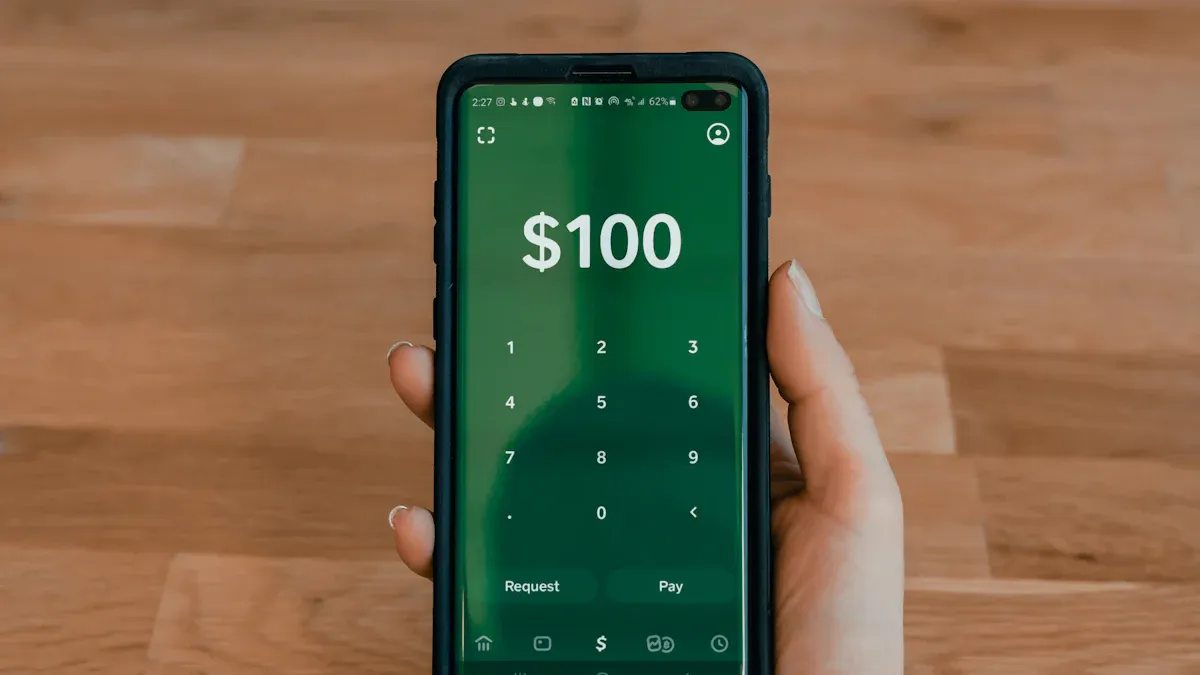
Image Source: [unsplash](https://uns plash.com)
After understanding the pros and cons of different channels, the next step is to use specific techniques to maximize every penny. No matter which platform you choose, the following five core techniques can effectively reduce your costs.
Technique One: Compare and Lock in the Best Exchange Rate
Exchange rates are the most important factor affecting your final cost, even more than handling fees. Some providers advertise “0 handling fees” but actually profit hiddenly by offering a less favorable rate. This spread can sometimes be as high as 7%.
Core to Saving: True cost = handling fee + (market rate - platform rate) × remittance amount
To identify this hidden fee, develop a simple habit:
- Comparereal-time rates: Before transferring, compare the rate provided by the platform with the market mid-rate on third-party tools like Google or Reuters. The market mid-rate is the midpoint between buy and sell rates, the “truest” rate.
- Calculate Final Amount Received: Do not just look at handling fees. Enter the amount you want to remit and directly compare the final amount received promised by different platforms. Platforms like Biyapay usually clearly display their rates for easy comparison.
Technique Two: Identify All Explicit and Hidden Fees
The cost of an international remittance is far more than the fee you pay at transfer. A common hidden cost is intermediary bank fees.
When your bank has no direct relationship with the recipient’s bank, funds need to pass through one or more third-party banks (intermediary banks) to complete transmission. Think of intermediary banks as bridges connecting sender and recipient banks, charging a fee for the service. This fee is usually $15-30 and deducted directly from your remittance principal.
To avoid this, pay special attention to the “fee bearer” option when filling out the remittance form.
| Fee Code | Bearer | Description | Result |
|---|---|---|---|
| Sender Bears All Fees | Sender | You bear all fees, including sender, intermediary, and recipient bank fees. | Recommended. Ensures recipient receives full amount. |
| Shared | Shared | You bear sender fees; recipient bears their bank fees. Intermediary fees deducted from principal. | Most common option but reduces amount received. |
| Recipient Bears All Fees | Recipient | All fees borne by recipient, deducted from principal. | Recipient receives far less than expected; usually not recommended. |
Best Practice: Prioritize services supporting sender bears all fees mode or promising “full amount arrival.” This locks in all fees in advance, avoiding embarrassment from intermediary deductions reducing the received amount.
Technique Three: Consolidate Large Remittances
If you need regular remittances, such as tuition or living expenses, consolidating funds for one large remittance is usually more cost-effective than multiple small ones.
The reason is simple: many remittance costs are fixed or decrease proportionally.
- Lower Cost Proportion: Studies show that remitting $200 may cost 7% of the total, while $500 drops below 5%. For larger amounts, the cost proportion is even lower.
- Enjoy Tiered Rates: Many banks and platforms offer “tiered rates,” meaning larger remittance amounts have lower percentage fees.
- Dilute Fixed Fees: Fixed fees like bank wire “telegraph fees” are diluted in one large remittance, improving cost-effectiveness.
Note: According to mainland China’s foreign exchange regulations, individuals have an annual equivalent of $50,000 for foreign exchange purchase and settlement quotas. When planning large remittances, ensure your operations comply with relevant regulations.
Technique Four: Make Good Use of Bank and Platform Promotions
Actively seeking and utilizing various promotions is an effective way to directly reduce costs.
- New User Promotions: Most online platforms offer first remittance fee-free or rate discounts to attract new customers.
- Seasonal Activities: Watch for platform promotions during specific periods. For example, platforms like Biyapay may offer promo codes during back-to-school season, Black Friday, or holidays.
- Referral Programs: Many platforms have referral rewards. By inviting friends to register and complete a remittance via your exclusive link, both you and your friends can usually get a fee waiver or cash reward for future transfers.
- Bank Premium Client Benefits: If you are a bank’s VIP or private banking client , consult your client manager. They can usually provide you with better rate spreads, fee waivers, or telegraph fee exemptions and other exclusive services.
Technique Five: Lock Rates to Avoid Depreciation Risk
Foreign exchange markets change rapidly. From initiating a transfer to actual arrival, it may take hours or even days, and exchange rate fluctuations during this period can shrink your funds.
To address this risk, some platforms and banks offer “rate lock” features.
This service allows you to lock the current rate for a specific period (usually 24 to 72 hours) when initiating the transaction. Regardless of market fluctuations, your cross-border remittance will settle at the locked rate. This provides certainty, ensuring the recipient receives exactly the amount you expected.
For example, Standard Chartered Bank once launched a similar “rate insurance” service, helping customers lock rates in advance and effectively avoid market risks.
Friendly Reminder: When using rate lock features, ensure you transfer funds within the agreed period. If rates fluctuate more than 5% during the lock period, some platforms may cancel the transaction.
Best Solutions for Different Remittance Needs
After understanding all channels and techniques, the final step is to formulate the most suitable remittance plan based on your specific needs. Different remittance amounts and purposes correspond to completely different best strategies.
Large Remittance Strategy
When handling large funds, such as tuition payments, down payments, or family asset allocation, safety and compliance are primary considerations.
Core Advice: Prioritize traditional banks and utilize their professional services.
For the definition of “large amounts,” mainland China’s financial regulators have clear standards. Understanding these thresholds can help you plan better.
| Transaction Type | Client Type | Threshold (USD or equivalent) |
|---|---|---|
| Forex Cash Transactions (single or daily cumulative) | N/A | 10,000 |
| Forex Non-Cash Receipts/Payments (single or daily cumulative) | Individual Clients | 100,000 |
| Forex Non-Cash Receipts/Payments (single or daily cumulative) | Corporate Clients | 500,000 |
Your Action Plan:
- Choose Bank Wire Transfer: Banks have the most complete compliance processes and security guarantees.
- Use “Full Amount Arrival” Service: Be sure to choose sender bears all fees mode, prepaying all intermediary fees to ensure recipient receives full amount.
- Consult Client Manager: If you are a bank’s VIP client, contact your client manager to strive for better rates and fee waivers.
Small to Medium Remittance Strategy
For daily living expenses, family subsidies, or small online payments, cost-effectiveness and speed are key. In such cases, online platforms show unparalleled advantages.
Online platforms have completely changed the cross-border remittance experience. What used to take days now completes in minutes or hours.
- Traditional Banks: International wire transfers usually take 1-5 business days.
- Online Platforms: Most transfers complete in minutes or hours, with significant speed advantages.
Many platforms offer extremely attractive free or low-cost solutions for small remittances.
| Platform Name | Free Transfer Conditions | Applicable Scenarios/Features |
|---|---|---|
| Zelle | Free between bank accounts | Suitable for users with compatible bank accounts, fast and free |
| Venmo | Free with bank or debit card payment | Suitable for payments between friends, with social features |
| Cash App | Free with bank or account balance transfer | Suitable for users seeking simple P2P apps |
| PayPal | Free with linked bank account or balance | Suitable for international payments, wide global coverage |
Your Action Plan:
- Prefer Online Platforms: Utilize Wise, Biyapay, etc., to enjoy better rates and lower fees.
- Utilize New User Promotions: When registering new platforms, fully use first-remittance fee-free offers.
- Note Transfer Limits: Most platforms have single transaction limits between $10 ,000 and $25,000, fully meeting most small to medium remittance needs.
The core principle of saving on cross-border remittance fees is compare first, then choose. Remember the key conclusion of this article:
Prioritize bank safety and promotions for large funds; for daily small to medium remittances, online platforms are more cost-effective.
Stop paying unnecessary fees! Take action now and use the methods taught in this article to choose the most money-saving remittance plan for your next transfer.
FAQ
What basic materials are needed for cross-border remittances?
You usually need to prepare the following documents:
- Your valid ID.
- Recipient’s name, address, and bank account information.
- Proof of remittance purpose, such as tuition bills or family living expense explanations.
Are online remittance platforms safe?
Legitimate online platforms are safe. They are strictly regulated by financial institutions in various countries and use bank-level encryption to protect your funds and personal information. You can check platform user reviews and regulatory qualifications to confirm reliability.
Which remittance method is fastest?
Online platforms are usually fastest. Most online platform transfers complete in minutes or hours. In contrast, traditional bank wire transfers may take 1-5 business days to arrive.
How to track my funds after remitting?
Banks and online platforms provide a tracking number. For bank wire transfers, you can use SWIFT code for tracking. For online platforms, you can enter the transaction number on their website or app to view remittance status in real time.
*This article is provided for general information purposes and does not constitute legal, tax or other professional advice from BiyaPay or its subsidiaries and its affiliates, and it is not intended as a substitute for obtaining advice from a financial advisor or any other professional.
We make no representations, warranties or warranties, express or implied, as to the accuracy, completeness or timeliness of the contents of this publication.
Related Blogs of

Unlocking US Stock Pre-Market Trading: Key Things Beginners Must Know in 2025


Year-End Review 2025: Has the Federal Reserve Completed the Transition from Hawkish to Dovish?


CNN Fear and Greed Index Hits Record Low: Is Panic Over US Economic Recession Spreading?

US Stock Pre-Market and After-Hours Trading Practical Guide: Beginners Can Master It Quickly

Choose Country or Region to Read Local Blog
 Australia
 Austria
 Belgium
 Canada
 Cyprus
 Czech Republic
 Denmark
 Estonia
 Finland
 France
 Germany
 Greece
 Hong Kong
 India
India Indonesia
 Ireland
 Italy
Italy Japan
Japan Latvia
 Lithuania
 Luxembourg
 Malaysia
 Malta
Malta Morocco
 Nepal
Nepal Netherlands
 New Zealand
 Norway
 Pakistan
 Philippines
 Poland
 Portugal
 Romania
 Singapore
 Slovakia
 Slovenia
 South Africa
 South Korea
 Spain
Spain Sweden
 Thailand
 The United States
 Turkey
 United Arab Emirates
 United Kingdom
 Vietnam
Contact Us




BIYA GLOBAL LLC is a licensed entity registered with the U.S. Securities and Exchange Commission (SEC No.: 802-127417); a certified member of the Financial Industry Regulatory Authority (FINRA) (Central Registration Depository CRD No.: 325027); regulated by the Financial Industry Regulatory Authority (FINRA) and the U.S. Securities and Exchange Commission (SEC).
BIYA GLOBAL LLC is registered with the Financial Crimes Enforcement Network (FinCEN), an agency under the U.S. Department of the Treasury, as a Money Services Business (MSB), with registration number 31000218637349, and regulated by the Financial Crimes Enforcement Network (FinCEN).
BIYA GLOBAL LIMITED is a registered Financial Service Provider (FSP) in New Zealand, with registration number FSP1007221, and is also a registered member of the Financial Services Complaints Limited (FSCL), an independent dispute resolution scheme in New Zealand.